Describe Hipaa Its Purpose and Provisions
What are the 5 basic rules of HIPAA administrative simplification. Has as its principal purpose the regulation of the manufacture registration distribution dispensing or other control of any controlled substances as defined in 21 USC.
Hipaa For Dummies
The primary purpose of the HIPAA rules is to protect health care coverage for individuals who lose or change their jobs.
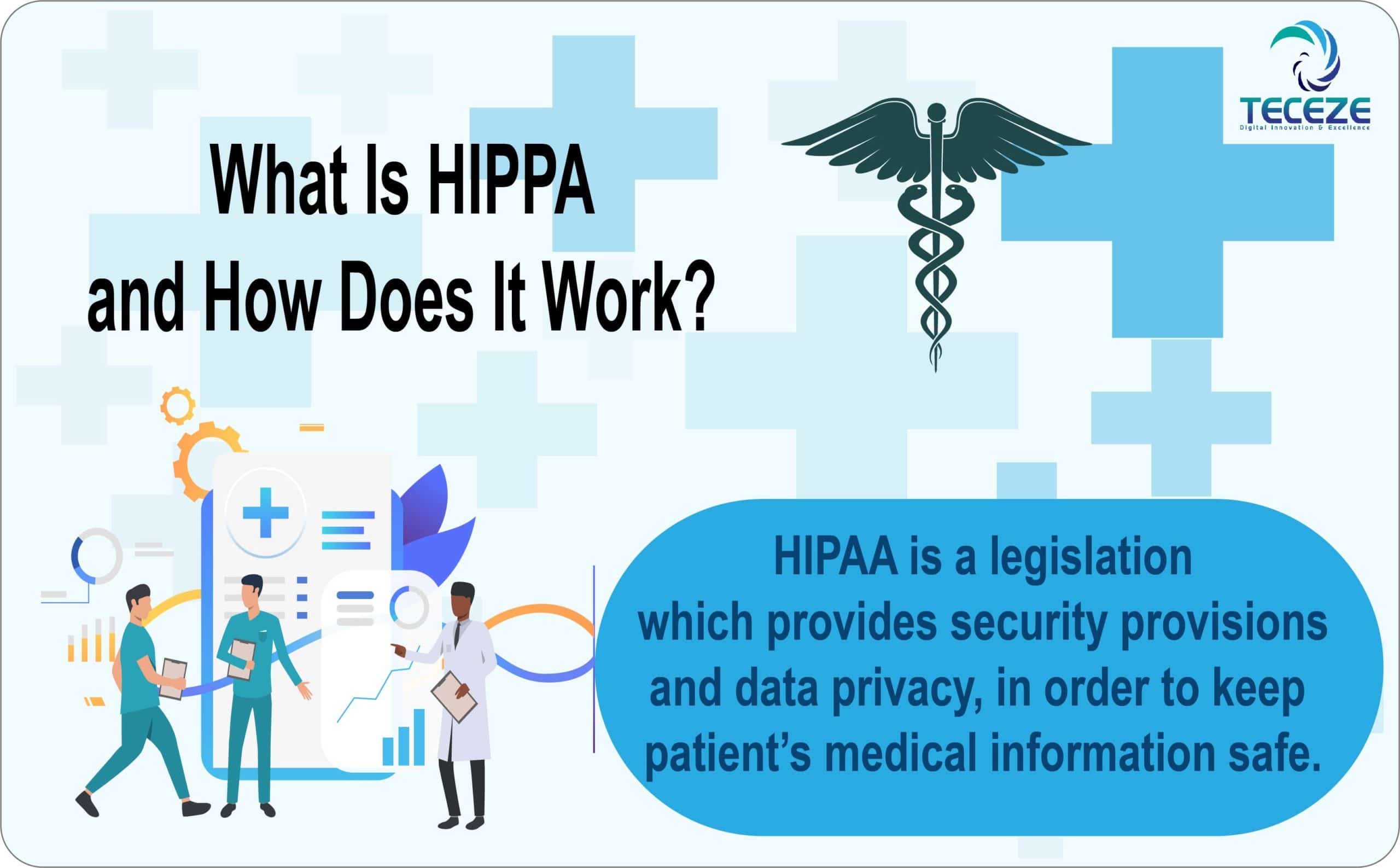
. It also addresses the security and privacy of health data. Health Insurance Portability and Accountability Act HIPAA The Health Insurance Portability and Accountability Act HIPAA of 1996 contains the following three major provisions. The main purpose of HIPAA is to uplift the integrity of Protected Health Information or also known as PHI.
Since over 400 formats are being utilized today every payer seems to have different rules and requirements for formatting and transmitting claim data. -improved access to healthcare. So to sum up what is the purpose of HIPAA.
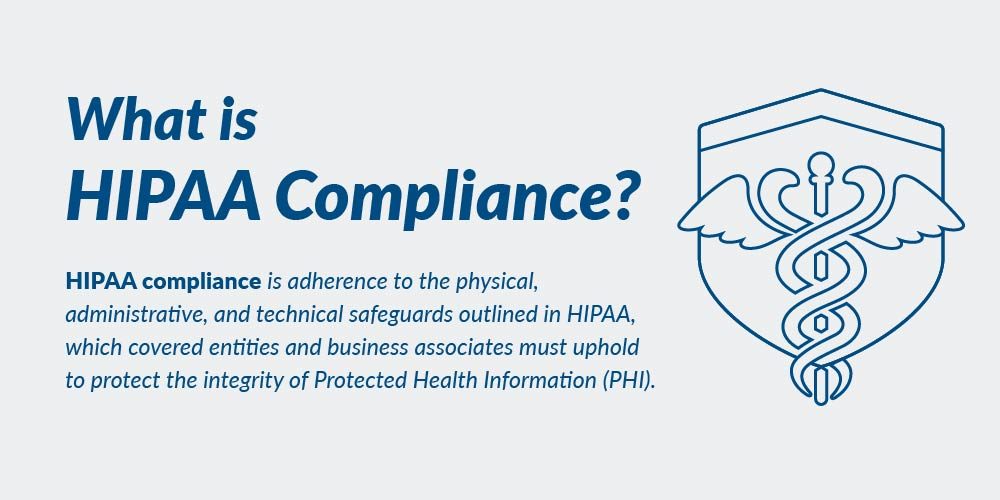
Guarantee security and privacy of health information. In part those safeguards must include administrative measures. The Administrative Simplification provisions of the Health Insurance Portability and Accountability Act of 1996 HIPAA Title II require the Department of Health and Human Services to establish national standards for electronic health care transactions and national identifiers for providers health plans and employers.
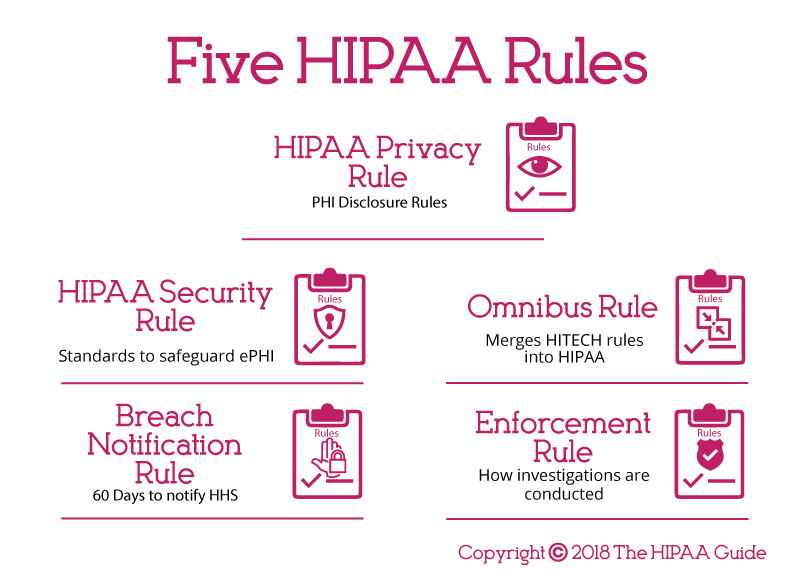
1 privacy rule 2 transaction and code sets rule 3 security rule 4 unique identifiers rule 5 enforcement rule. The main purpose of this federal statute was to help consumers maintain their insurance coverage but it also includes a separate set of provisions called Administrative Simplification. HSS Services has been closely.
HIPAA is the acronym of the Health Insurance Portability and Accountability Act of 1996. One purpose of the HIPAA privacy rules is to identify each of the many pieces of data collectively called protected health information also known as PHI. Birthdates dates of medical treatment admission and discharge dates and dates of death.
HIPAA - Health Insurance Portability and Accountability Act a US law designed to provide privacy standards to protect patients medical records and other health information provided to health plans doctors hospitals and other health care providers. What does ICD9 include. HIPAA and HSS Services.
What does CPT cover. The portability provisions provide available and renewable health coverage and remove the pre-existing condition clause under defined guidelines for individuals changing employers and health plans. HIPAA was created to improve health care system efficiency by standardizing health care transactions.
Fraud and AbuseMedicaid Integrity Program. Reduce healthcare fraud and abuse. Health Insurance Portability and Accountability Act of 1996.
Medicaid Integrity ProgramFraud and Abuse. Its size complexity and capabilities Its technical hardware and software infrastructure The costs of security measures and The likelihood and possible impact of potential risks to e-PHI. However HIPAA also includes Title II better known as the Administrative Simplification Act.
Enforce standards for health information. HIPAA also known as Public Law 104-191 has two main purposes. The Health Insurance Portability and Accountability Act HIPAA of 1996 contains the following three major provisions.
The HIPAA standards are primarily designed to protect health-care coverage for people who lose or change employment. The purpose of the Administrative Simplification Section of HIPAA is to encourage the efficient use of electronic data interchange. Assure health insurance portability by eliminating job-lock due to pre-existing medical conditions.
Nationwide hospitals are updating their agreements to comply with the privacy regulations contained in the Health Insurance Portability and Accountability Act HIPAA. Other functions of HIPAA are. The core functions of an Organ Procurement Organization OPO are subject to two regulatory exemptions in the final HIPAA privacy regulations.
The Purpose Of HIPAA. These kinds of measures include workforce training and risk analyses. HIPAA defines information as protected health information if it contains the following information about the patient the patients household members or the patients employers.
Portability confidentiality and accountability. Health care organizations must comply with Title II. The HIPAA legislation had four primary objectives.
The purpose of the HIPAA Privacy Rule was to introduce restrictions on the allowable uses and disclosures of protected health information stipulating when with whom and under what circumstances health information could be shared. HIPAA added a new Part C titled Administrative Simplification that simplifies healthcare transactions by requiring health. Provisions related to company owned life insurance.
Another important purpose of the HIPAA Privacy Rule was to give patients access to their health data on request. Covered entities must review and modify their security measures to continue protecting e-PHI in a changing environment. The Health Insurance Portability and Accountability Act HIPAA was developed in 1996 and became part of the Social Security Act.
It states that covered entities must maintain reasonable and appropriate safeguards to protect patient information. First a health care provider may. Organ Procurement and HIPPA.
-promotion of health insurance coverage. 802 or that is deemed a controlled substance by State law. This section of the act is aimed at improving the efficiency and effectiveness of the health care system.
The portability provisions provide available and renewable health coverage and remove the pre-existing. To improve efficiency in healthcare reduce waste combat fraud ensure the portability of medical health insurance protect patient privacy ensure data security and to give patients low cost access to their healthcare data. Risk Analysis and Management.
The Health Insurance Portability and Accountability Act HIPAA of 1996 comprises three primary provisions. Dates relating to a patient ie. To provide continuous health insurance coverage for workers who lose or change their job and to ultimately reduce the cost of healthcare by standardizing the electronic transmission of administrative and.
A persons protected health information consists of any information that if shared would allow someone else to identify and link them to some aspect of their health situation or medical record.
What Is Hipaa And How Does It Work Managed It Services And Cyber Security Services Company Teceze
Hipaa For Dummies
Hipaa Compliance Checklist What Is Hipaa Compliance
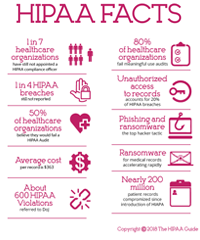
Hipaa For Dummies
Comments
Post a Comment